

How is trust in the state built? Reflections based on the history of tax calculation
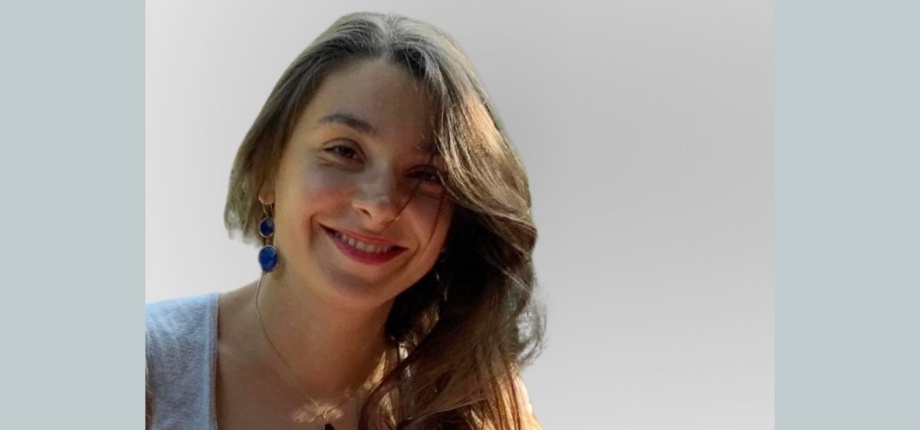
Marie Alauzen will lead the lecture ‘How is trust in the state built? Reflections based on the history of tax calculation’ on Monday 2 November 2026 at 3.30 pm (Cauchy lecture theatre).
Marie Alauzen is a sociologist, a research fellow at the CNRS, and a member of the LAMSADE computer science laboratory at Paris Dauphine PSL University. She specialises in the computerisation of the state.
Historians and sociologists have long sought to understand what distinguished a gang of thieves or a mafia from the State in the exercise of the ‘fiscal monopoly’, and subsequently to examine the reality behind the legal fiction of ‘consent to taxation’. Building on this line of inquiry, the lecture will take the audience on a journey through time to understand how trust in the state has become established during the computerisation of tax calculation. It will examine the evolution of the method of calculation, that is to say, the transition from taxation assessed by tax collectors during their rounds—based on an evaluation of people’s standard of living—to the calculation of all taxpayers on a single machine, using the same programme running within the same timeframe. The computerisation of the state’s administrative apparatus is not merely a manifestation of increased surveillance of the population, the rationalisation of bureaucratic work or the divide between social groups; it has profoundly transformed the forms of trust in the state by bringing about an unprecedented equalisation in the treatment of taxpayers and a deepening of the integration of political society within the nation. This detour into the micro-history of tax calculation will ultimately help to identify some avenues for rethinking both the politics of information technology and the role of the state in society.