

EELISA Grand Meetings 2026: Madrid Hosts a Strategic Week Dedicated to Innovation and European Cooperation
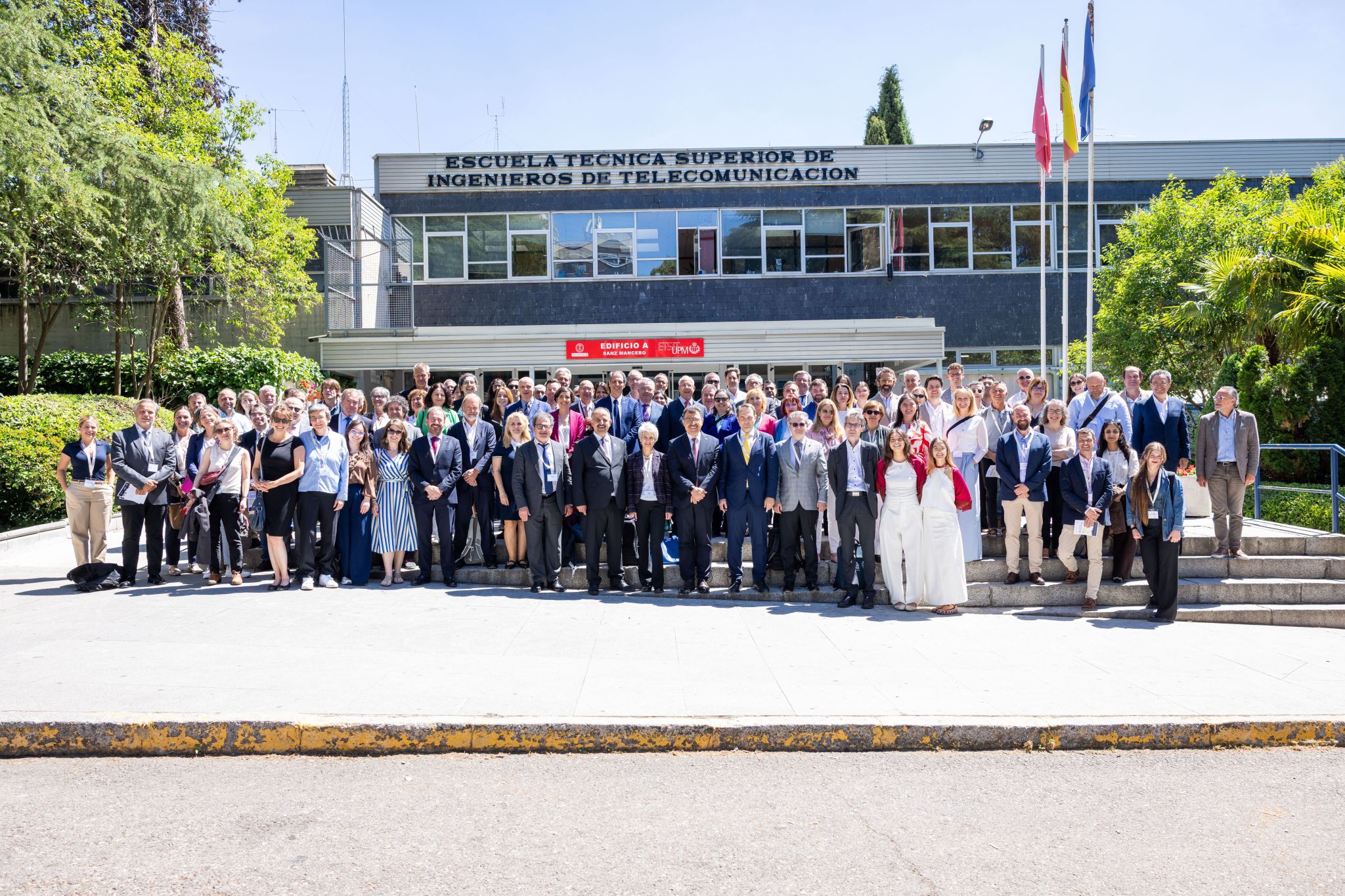
From 18 to 22 May 2026, institutional leaders, students, researchers, academics and representatives of EELISA Communities from across Europe gathered at UPM (Universidad Politécnica de Madrid) for the EELISA Grand Meetings.
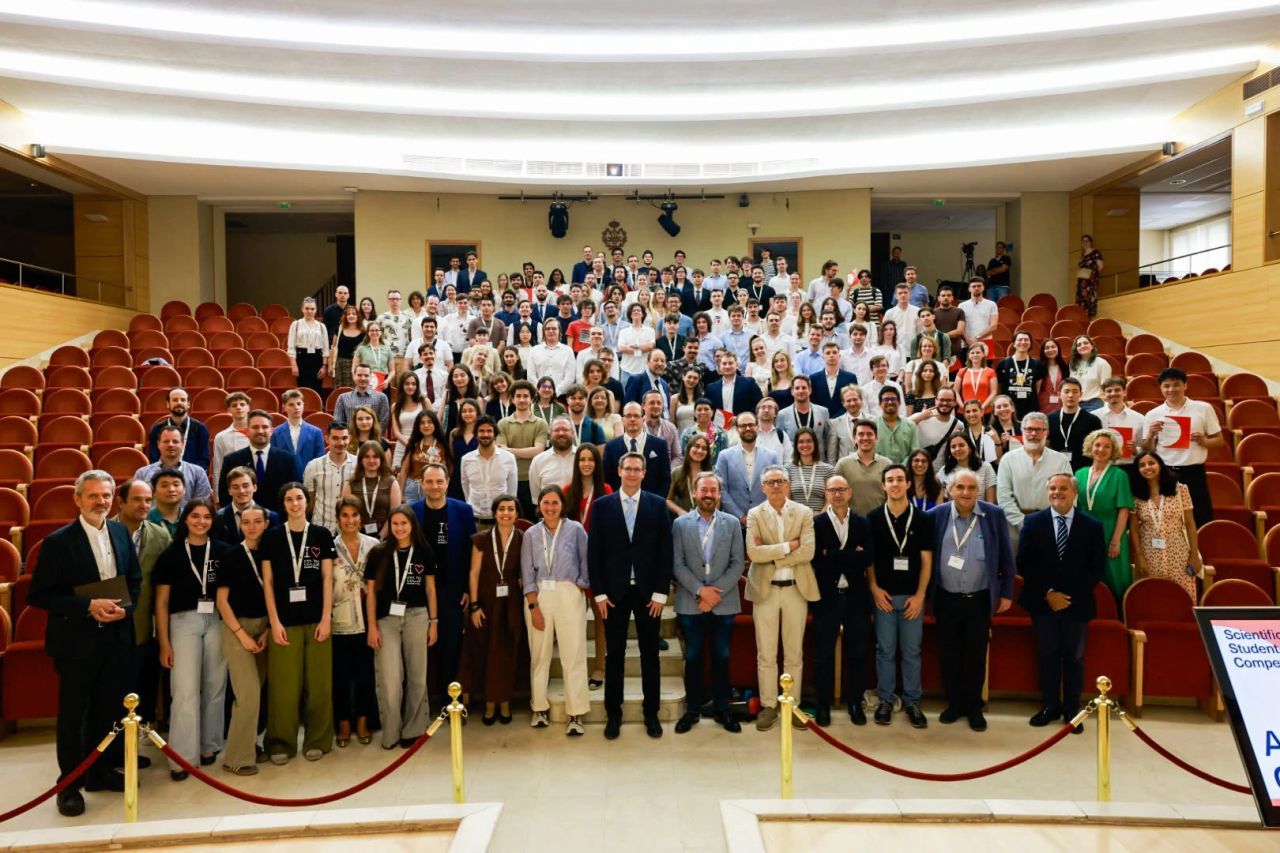
Over five days, governance bodies and working groups met to assess the progress achieved by the Alliance, strengthen cooperation, and define strategic priorities for the future of EELISA and its impact on European higher education. The week was also marked by two major events: the 1st EELISA Communities Forum and the 4th edition of the Scientific Student Competition.
Preparing the Future of “EELISA 3.0”
One of the main objectives of the meetings held in Madrid was to prepare the next phase of development of the Alliance: “EELISA 3.0”. Discussions focused on strengthening institutional integration, governance models, and long-term sustainability.
The EELISA Governing Board further explored the work of the EELISA Prospective Group, particularly regarding European political priorities and the future of European university alliances. Discussions also addressed the first draft of the future EELISA legal entity statutes as well as the development of a long-term financial sustainability model.
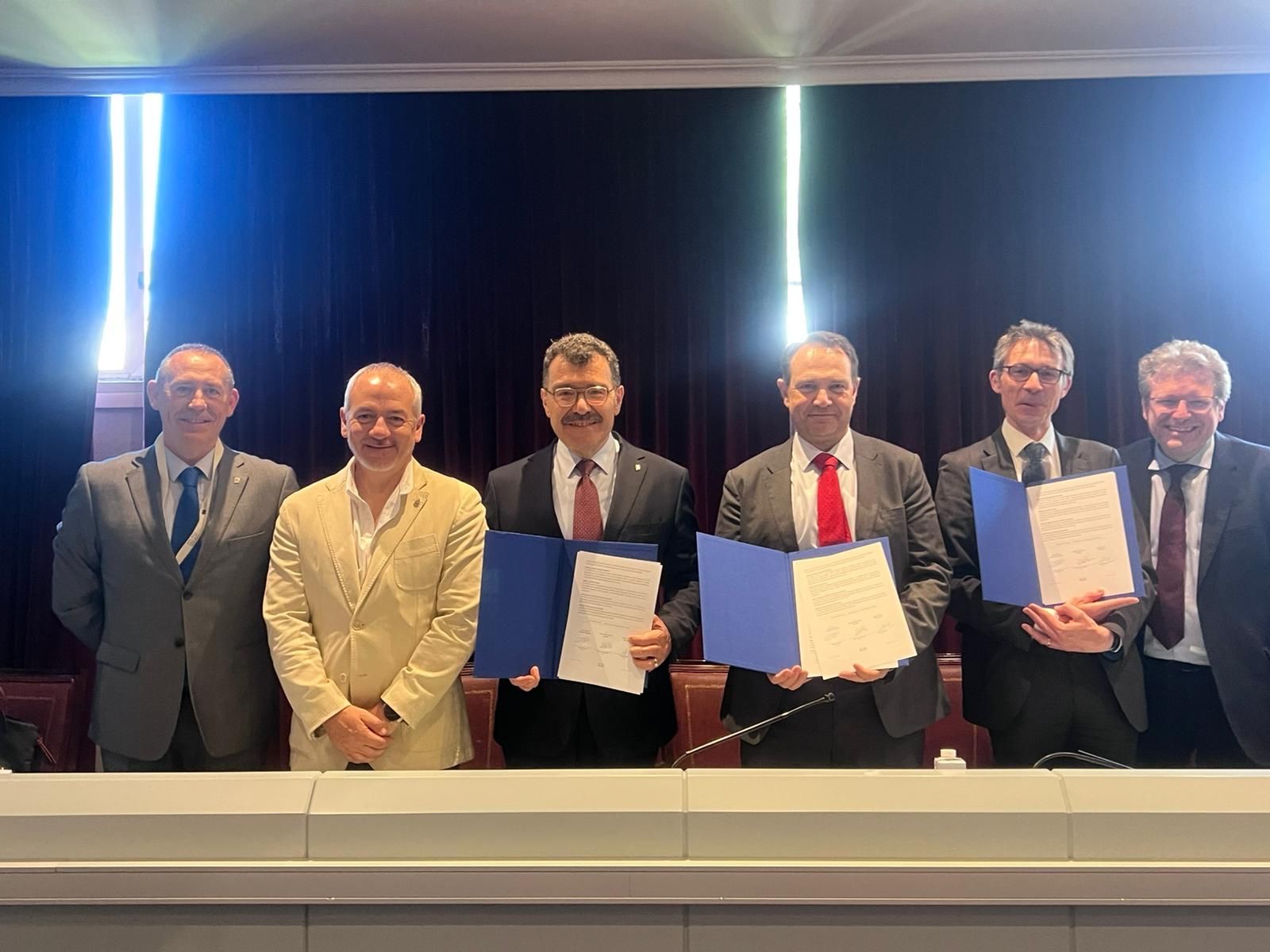
The week was also marked by the symbolic handover ceremony of the six-month Chairship of the Governing Board between ITÜ (İstanbul Teknik Üniversitesi) and UPM (Universidad Politécnica de Madrid). Rector Hasan Mandal formally transferred the chairmanship to Rector Óscar García Suárez through the handover of an astrolabe and the EELISA Book of Honour, symbols of the Alliance’s shared scientific heritage.
The Governing Board also addressed key structural topics such as the Alliance’s legal entity status, the financial sustainability model, enlargement toward the Northern European region, and the development of Joint Degrees. The sessions concluded with the signing of the Joint Statement on EELISA Communities, reaffirming their role as European spaces for knowledge co-creation and societal impact.
Another important milestone of the week was the signature by the three Rectors of the Declaration on Open Science and the Letter of Support for the Joint European Bachelor in Infrastructure and Transitions (Bachelor in Science and Engineering). This official signing marked the launch of the new joint Bachelor’s double-degree programme developed by the School, ITÜ and UPM, further strengthening academic cooperation within the Alliance and supporting the development of innovative European educational pathways.
The 1st EELISA Communities Forum: From Connection to Impact
The week began with the 1st EELISA Communities Forum, conceived as a collaborative space bringing together EELISA Community leaders, institutional representatives, staff, students, and external partners.
The Forum opened with institutional addresses from UPM Rector Óscar García Suárez, Vice-Rector Luis Salgado, EELISA Executive Director Sofía Costa D’Aguiar, David Escudero, and Camille Roger from PSL.
Introduced by Morris Villarroel, the programme fostered co-creation, peer learning, and strategic dialogue. One of the highlights was the session “Communities as Innovation & Impact Labs”, featuring Dr. Supriya Singh from FAU (Friedrich-Alexander-Universität Erlangen-Nürnberg) and Òscar O. Santos-Sopena from UPM.
Over two days, participants took part in workshops, skill labs, networking sessions, and collective reflections aimed at strengthening collaboration between EELISA Communities and external organisations. Six communities also presented best practices and shared innovative projects with strong societal impact.
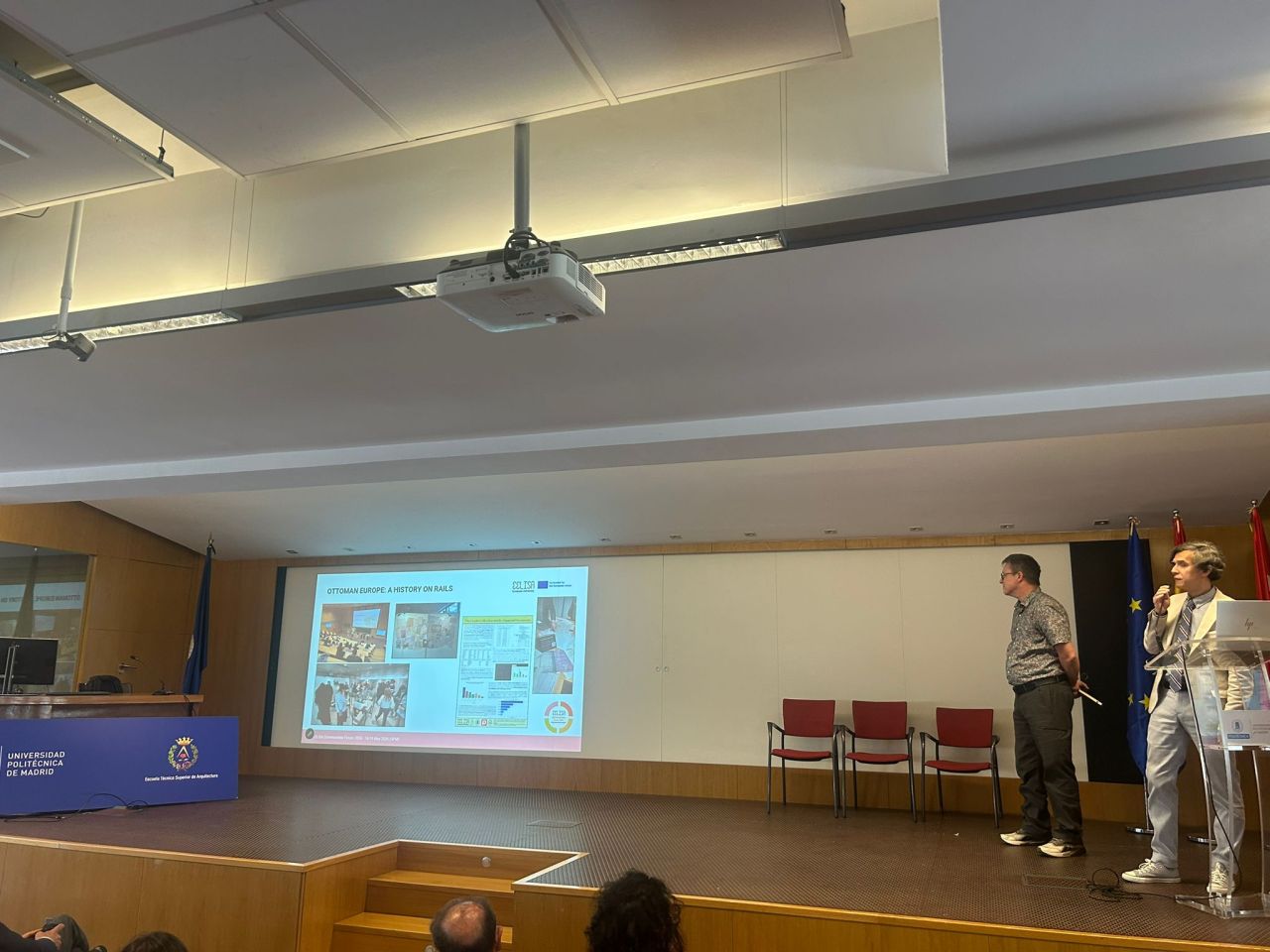
Among them, David Selim Sayers and Steve Brown from the Department of Languages and Cultures presented the first EELISA Community created and led by the School, entitled “ENGINEERING CULTURE: Humanities, Infrastructure, and Society in Engineering”. This community aims to build a genuine bridge between engineering sciences and the humanities by combining theoretical reflection with educational and research practices.
In parallel, the EELISA Student Council organised leadership training sessions and elections for several key governance roles, while the Executive Board worked on the Alliance’s strategic priorities, including enlargement, future calls for projects, and the preparation of EELISA 3.0.
Throughout the week, discussions reflected EELISA’s ambition to build a more integrated European higher education area based on cooperation, inclusion, and innovation.
Celebrating Student Talent and Scientific Excellence
The week concluded with the 4th edition of the EELISA Scientific Student Competition, organised at UPM and inspired by the century-old academic tradition initiated by BME (Budapest University of Technology and Economics).
More than 150 Bachelor’s, Master’s, and PhD students from across the Alliance presented their research work in a wide range of disciplines, including engineering, architecture, natural sciences, economics, and social sciences.
Over two days of presentations and scientific discussions, participants strengthened essential transferable skills such as academic writing, public speaking, and interdisciplinary collaboration. A jury composed of academics and researchers evaluated the contributions before recognising the best projects during the closing ceremony.
Beyond the competition itself, the event offered students a transformative experience fostering international collaboration, academic visibility, and long-lasting European connections.
Throughout the week, a team of EELISA Student Reporters also covered the events on social media, sharing live highlights, discussions, and the energy of this Madrid edition.
The EELISA Alliance has recognised Open Science as a cornerstone of contemporary research, envisioning its use as a tool to shape research culture, institutional practices and academic governance. Thus, EELISA members signed this declaration, reinforcing their commitment to Open Access and Research Data management, Open Science Skills and Education, Recognition and Responsible Assessment and Citizen and Societal Engagement.Link to the Joint statement |